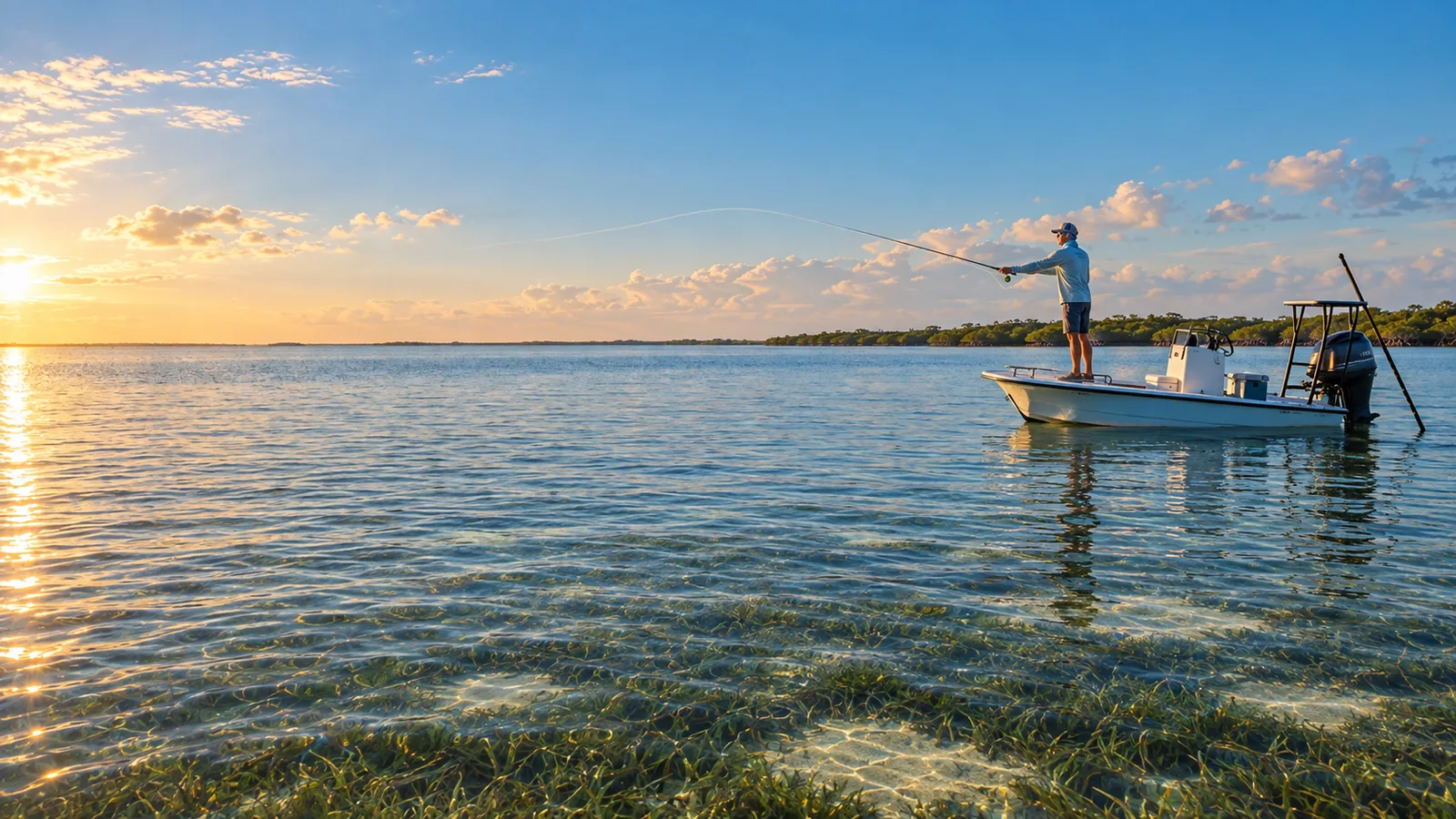
How to Fish Tampa Bay Grass Flats for Spotted Seatrout
A practical Tampa Bay plan for finding spotted seatrout around seagrass, sand holes and nearby depth changes without trying to cover the entire bay.
- Grass flats
- Inshore tackle
The fishing blog
Browse destination guides and practical trip-planning articles, or start with a Florida fishing coast to narrow the map first.
Florida visitor field guide · Five practical reads
Licenses, inshore rules, charters, shore fishing and bringing your catch home. Five practical guides with official references.
Destination fishing articles
Every guide is an editorial post with a review date, planning context and links to the official sources that can change.
A practical Tampa Bay plan for finding spotted seatrout around seagrass, sand holes and nearby depth changes without trying to cover the entire bay.

Match your day to wind direction first. Protected bay water, bridge structure and the Gulf beach create very different plans within a short drive.
Read article
Treat the bay and Gulf as separate trip plans. Do not let a calm marina forecast substitute for checking pass and offshore conditions.
Read article
Build around moving water and habitat edges. Oyster bars deserve extra room, both for navigation and conservation.
Read article
Start with one recognized segment of the system, then narrow it by access, wind exposure, water movement and target habitat. Do not treat the entire 400-square-mile estuary as one fishing spot.
Read article
Plan the tide at your destination, not only at the nearest inlet. Water timing can vary substantially across the harbor.
Read article
Fish a smaller area well. Creek mouths, current seams and outside points provide repeatable structure without chasing distant coordinates.
Read article
Protect the habitat that makes the Keys fishery possible. Use mooring buoys where available and never anchor on coral.
Read article
Do not combine flats and offshore objectives into one vague plan. Each requires different tackle, weather tolerance and timing.
Read article
Quiet presentation and shallow-draft access are useful, but avoid running over seagrass and give wildlife ample room.
Read article
Slow down, watch depth and protect seagrass. A quiet approach usually creates more opportunities than covering excess water.
Read article
Use current breaks and structure, but stay clear of navigation channels and learn how wind opposes tide in exposed areas.
Read article
Start with vegetation type, water level and wind exposure. A smaller protected zone is often a better plan than crossing the lake.
Read article
Follow deeper river edges and moving water until conditions support exploring the surrounding flats. Give oyster bars and shallow grass extra room.
Read article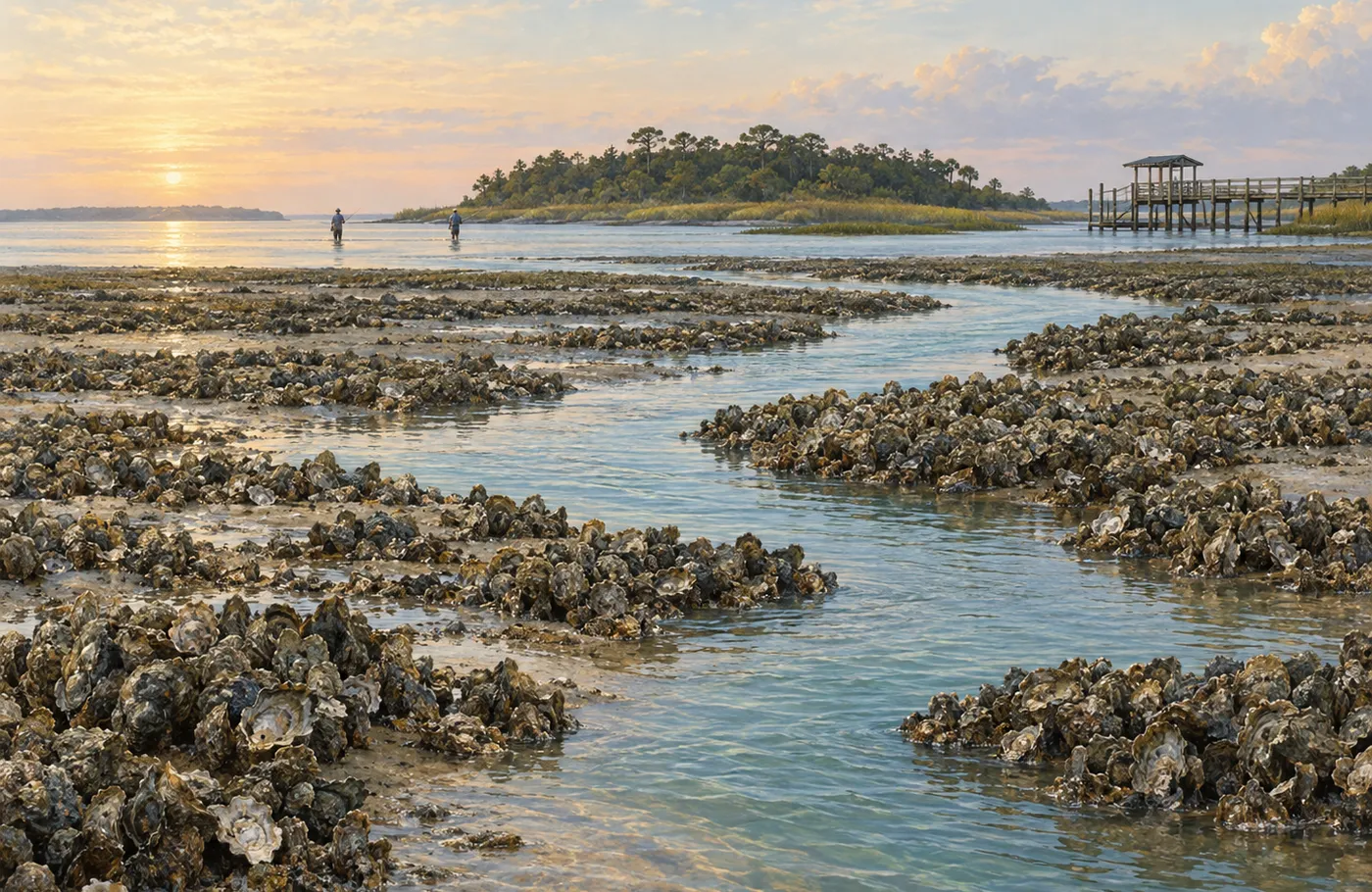
Build the day around one island group or creek system. Move slowly around oyster bars and avoid crossing unfamiliar flats on a falling tide.
Read article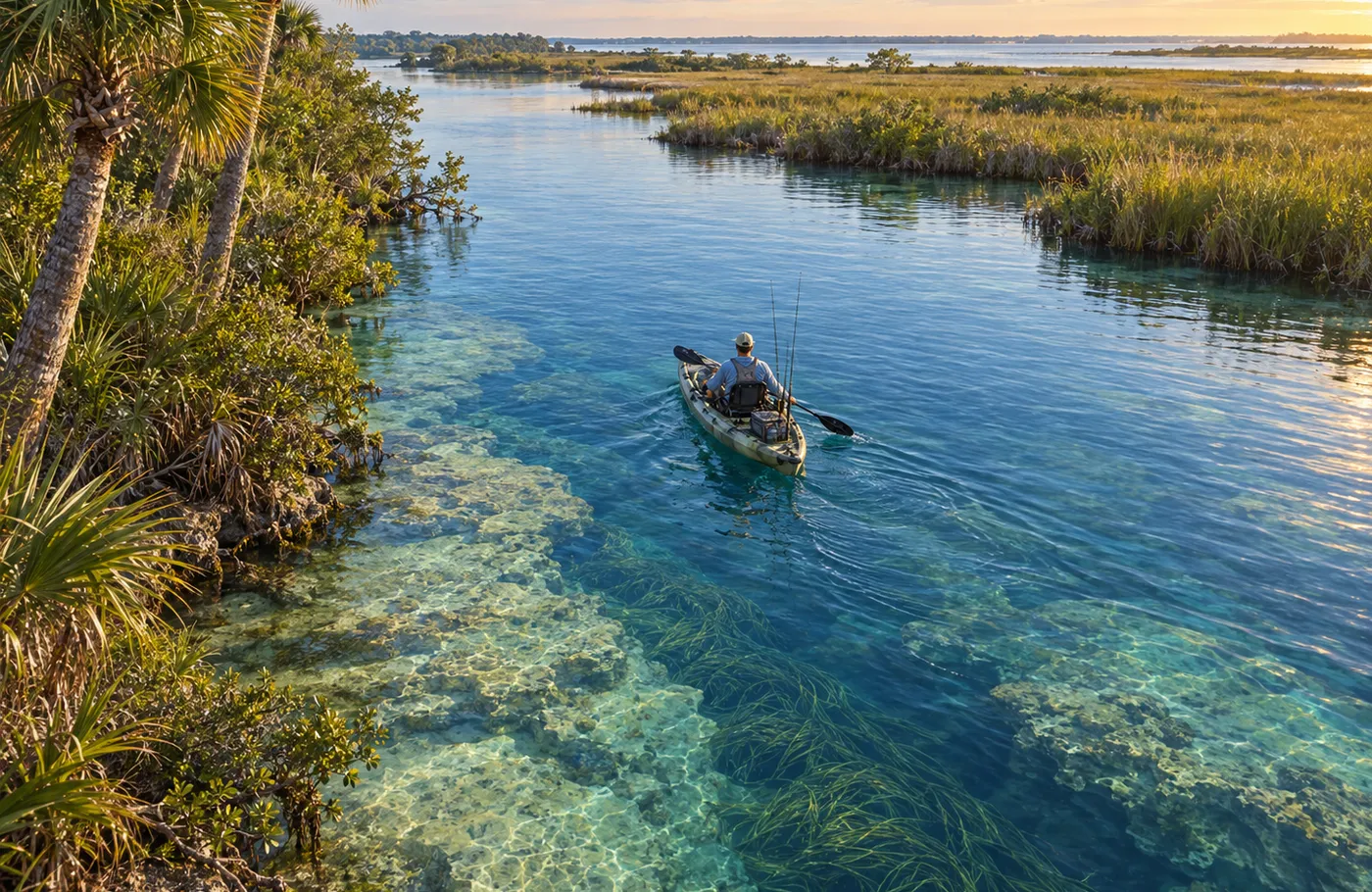
Use marked channels until local depth is clear, then work habitat edges quietly. Avoid prop scarring and give wildlife protection zones wide clearance.
Read article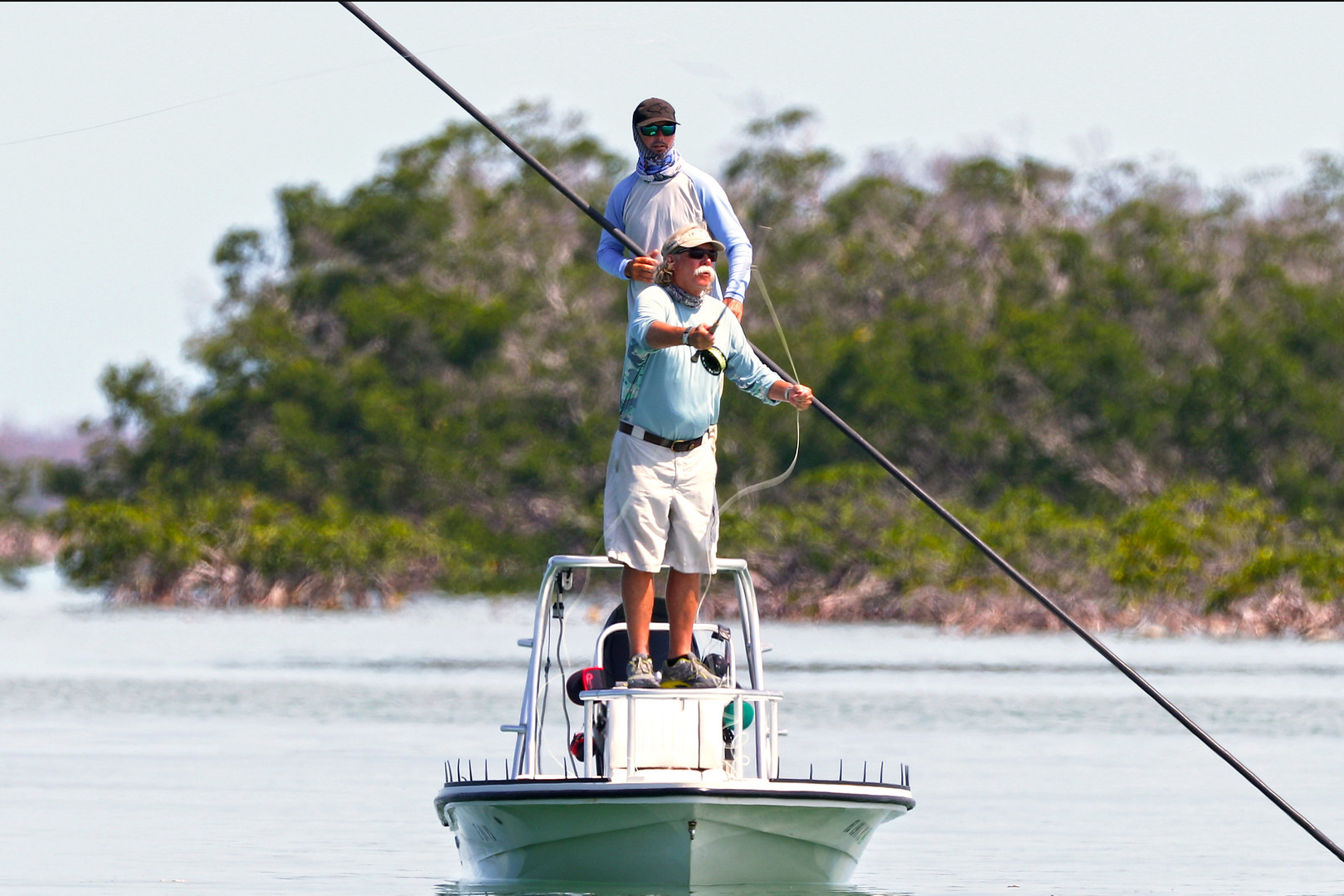
Let wind direction divide the bay into workable zones. Grass edges, passes and structure are different trips and should not be forced into one plan.
Read article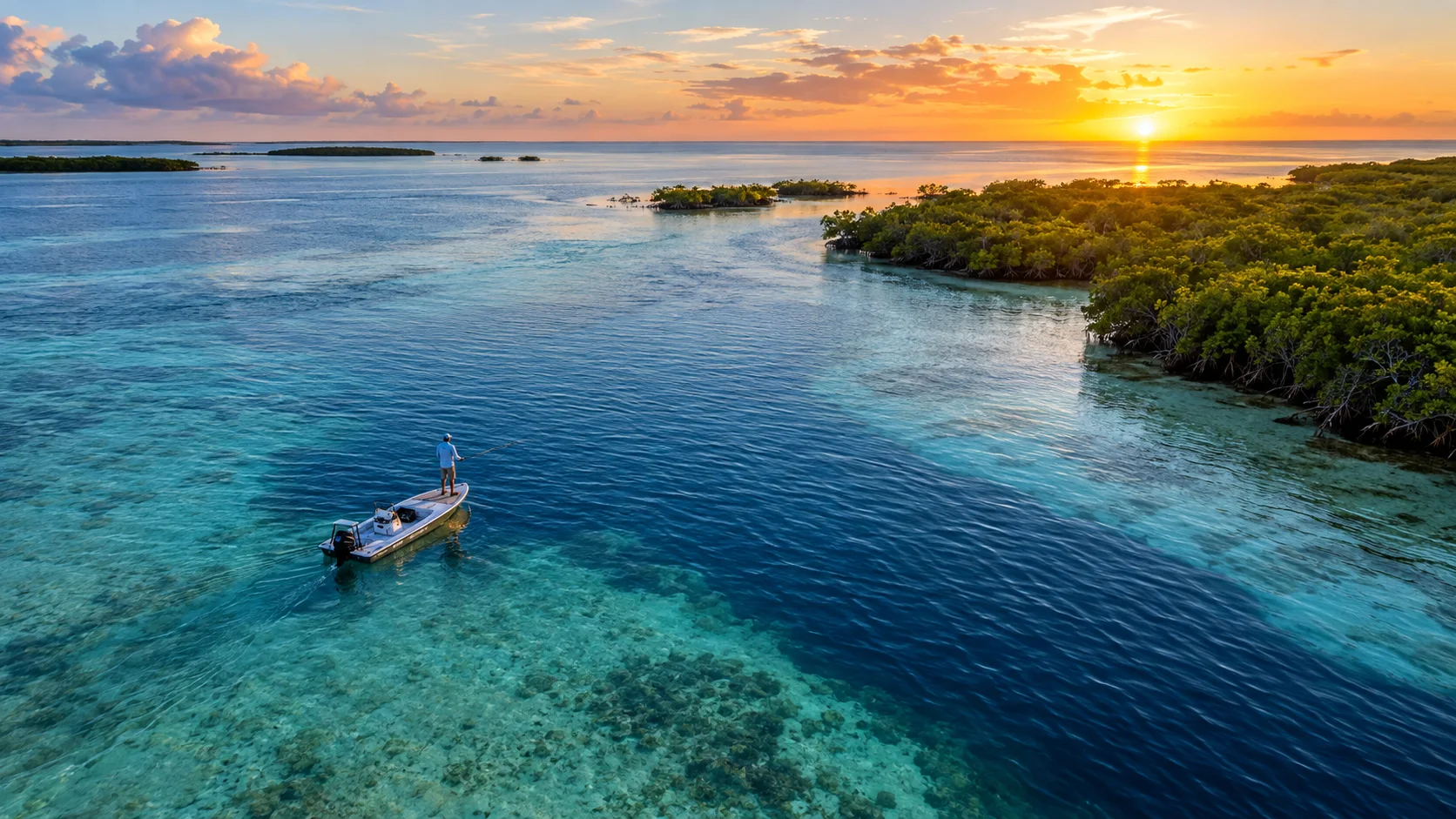
Plan a route that links nearby mangrove edges, grass and channel structure instead of running between distant landmarks.
Read article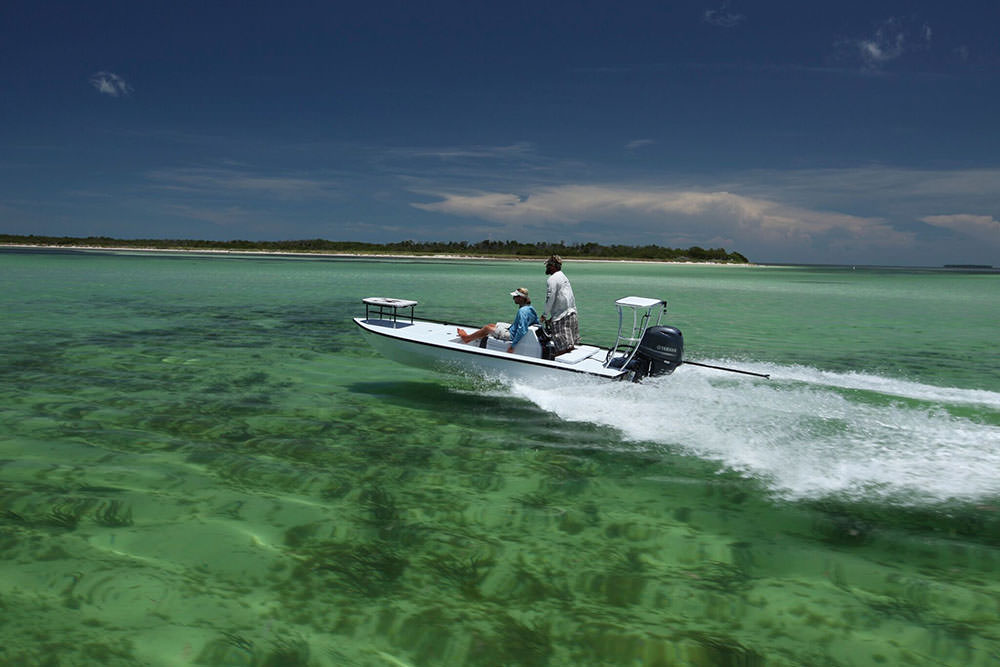
Work close habitat methodically and avoid turning a short tide window into a long transit through unfamiliar mangrove water.
Read article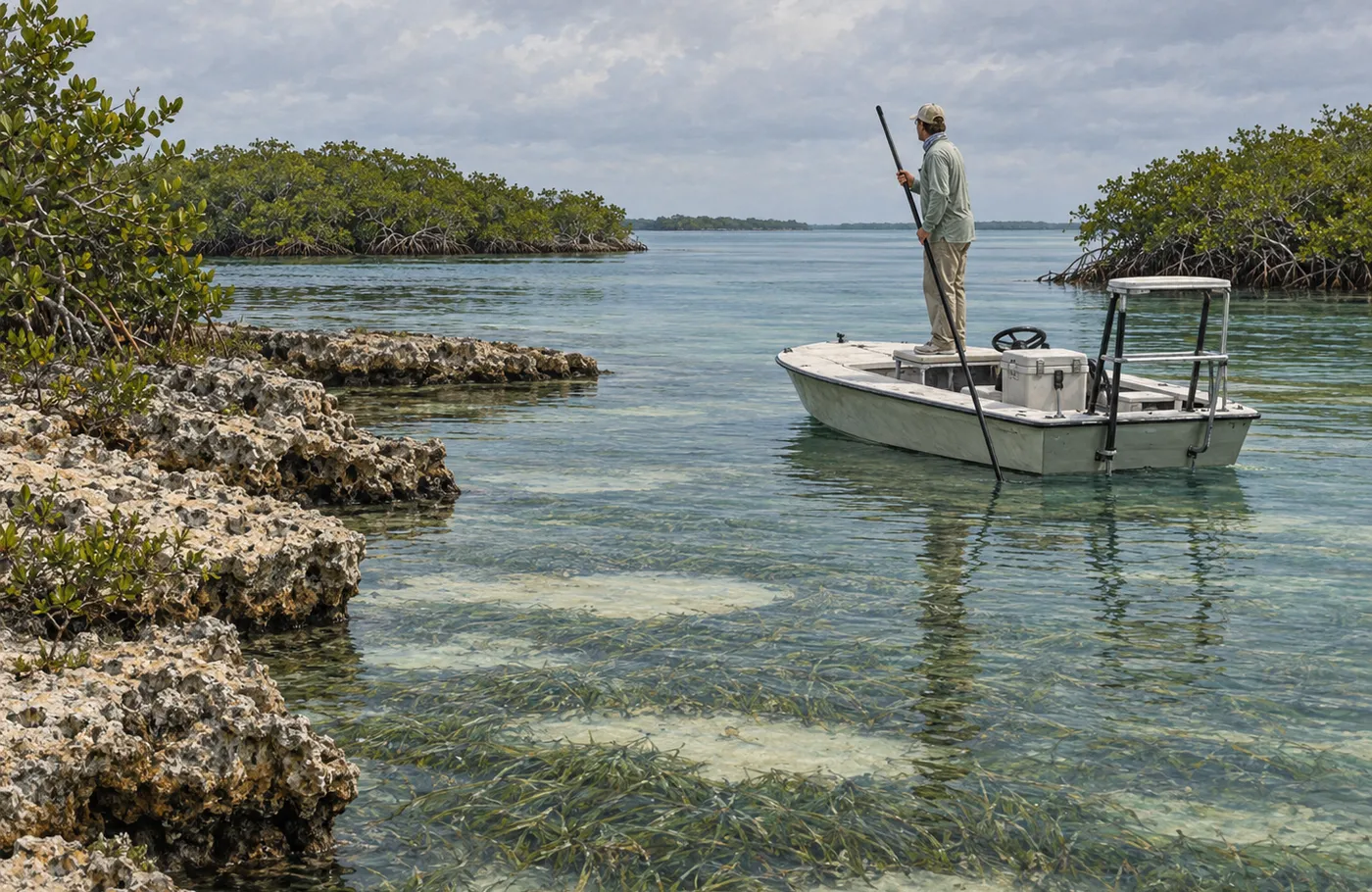
Protect seagrass and coral, use marked channels and mooring buoys where provided, and keep a lower-impact fallback for windy days.
Read article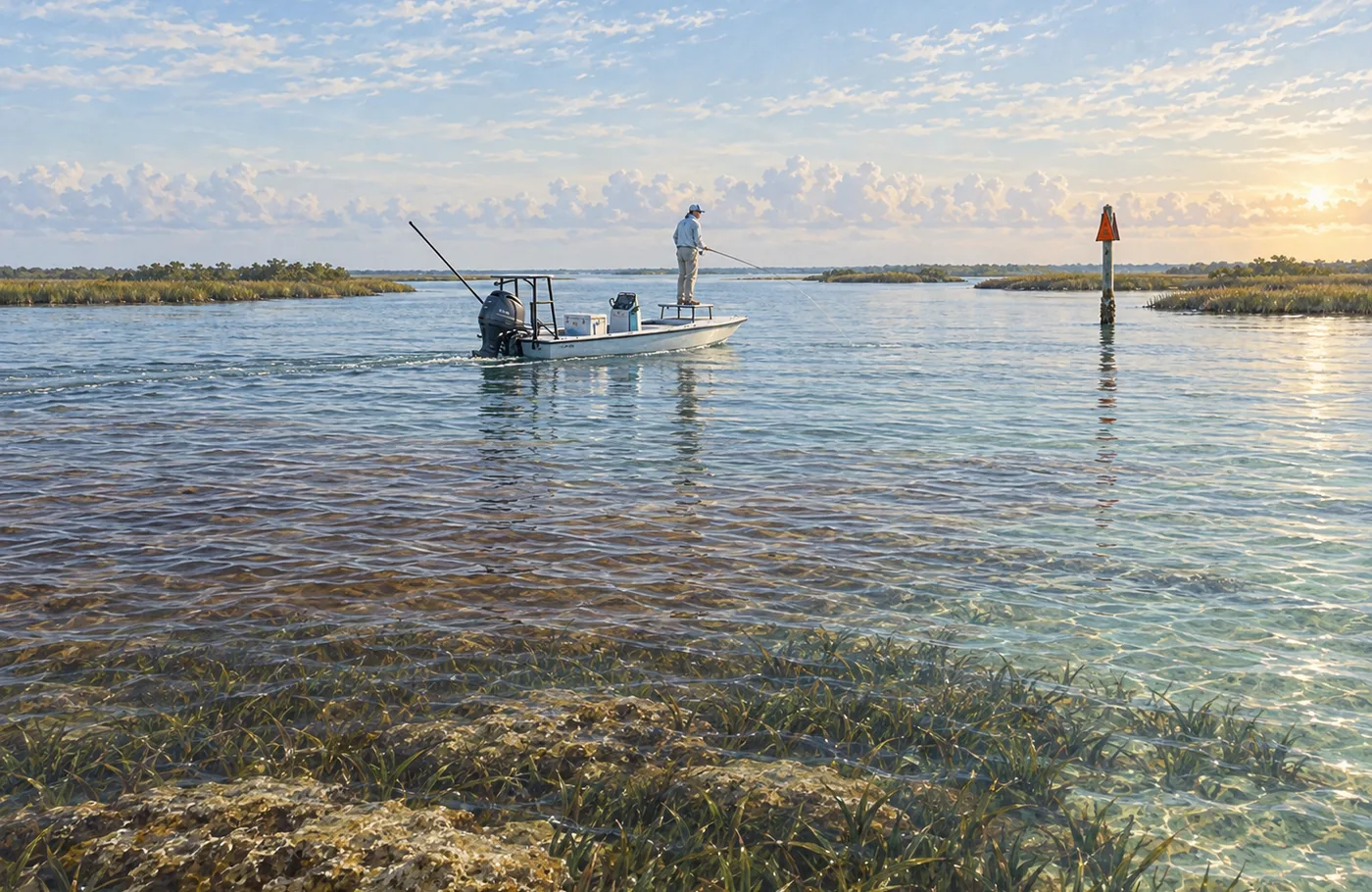
Keep inshore and offshore objectives separate. A safe protected-water backup is valuable when the inlet or Atlantic forecast deteriorates.
Read articleUse current seams, bridge structure and shoreline transitions, then adjust when water clarity or salinity changes across the system.
Read articleUse a shallow-draft, low-wake approach and avoid running over seagrass. Focus on depth changes and habitat edges rather than distant spots.
Read articleFish current breaks around structure and marsh edges, but leave room for commercial traffic and quickly changing inlet conditions.
Read article
Start with vegetation type, water movement and protected shorelines. Avoid trying to sample the entire chain in one day.
Read article